Thomsen-Friedenreich (TF) antigen
Thomsen–Friedenreich (TF) Antigen: A Key Marker in Cancer Biology
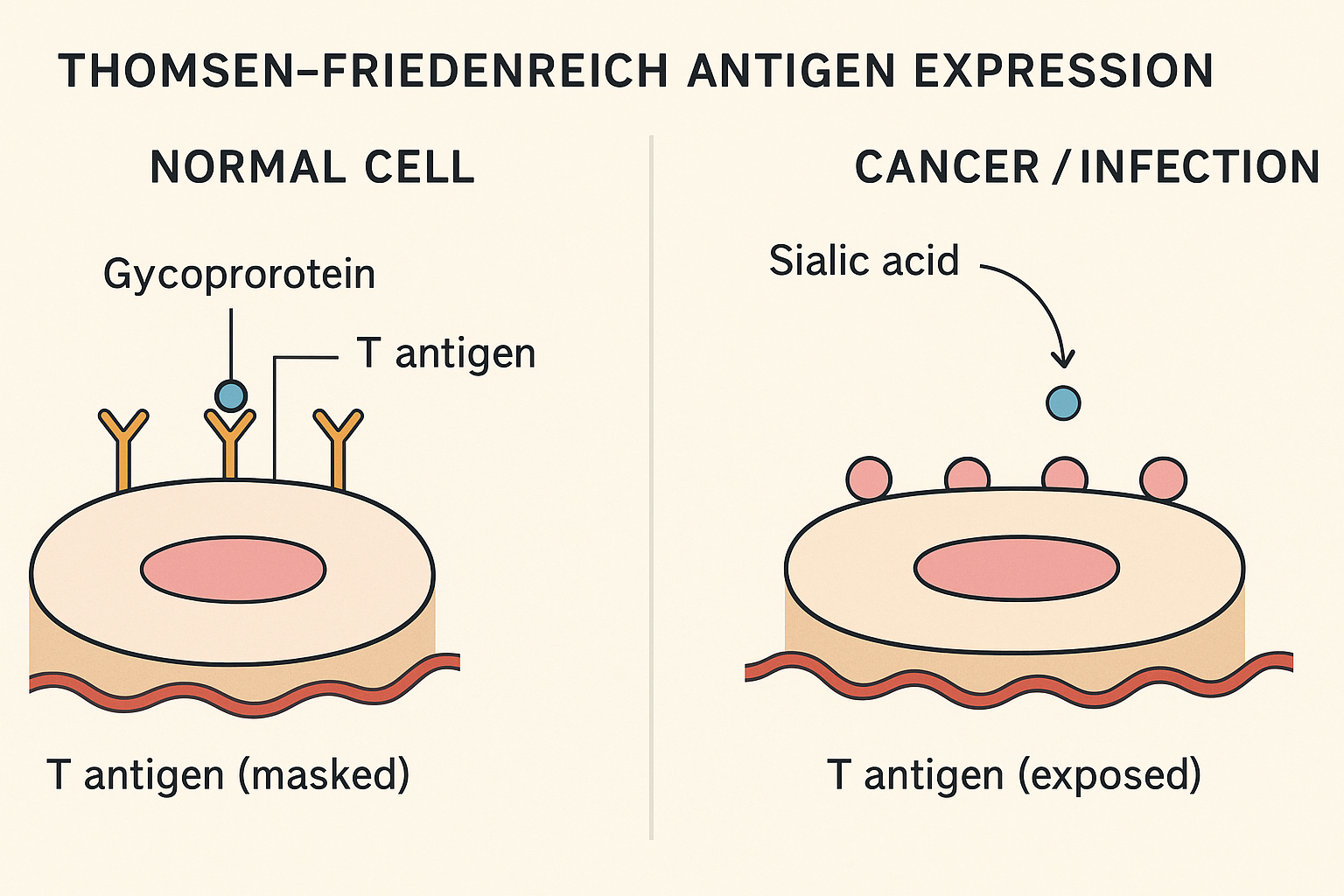
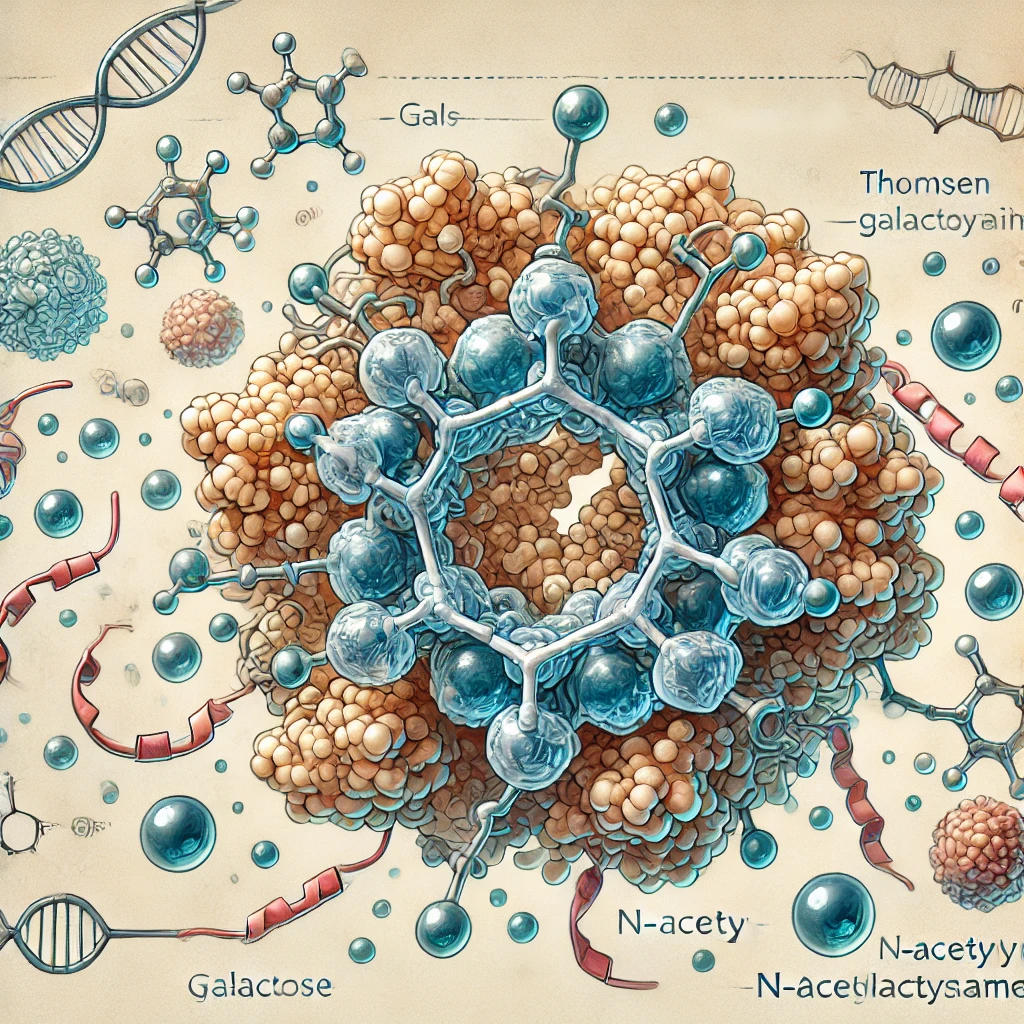
The Thomsen–Friedenreich (TF) antigen, also known as CD176, is a simple two‑sugar structure (galactose + N‑acetylgalactosamine) normally hidden on healthy cells. In most tissues, it’s masked by additional glycan chains, preventing immune recognition.
In cancer, that changes.
Due to abnormal glycosylation, the TF antigen becomes unmasked and highly exposed on the surface of tumor cells. This phenomenon appears in up to 90% of carcinomas and several leukemias, making TF one of the most widely expressed oncofetal antigens in human cancer.
Its presence is strongly linked to tumor progression, metastasis, immune evasion, and therapy resistance.
Why TF Antigen Matters
-
Highly Prevalent in Cancer — Overexpressed in breast, colorectal, ovarian, lung, and other cancers.
-
Oncofetal Marker — Rare in healthy adult tissues but abundant in tumors.
-
Driver of Tumor Behavior — Implicated in adhesion, migration, and immune escape.
-
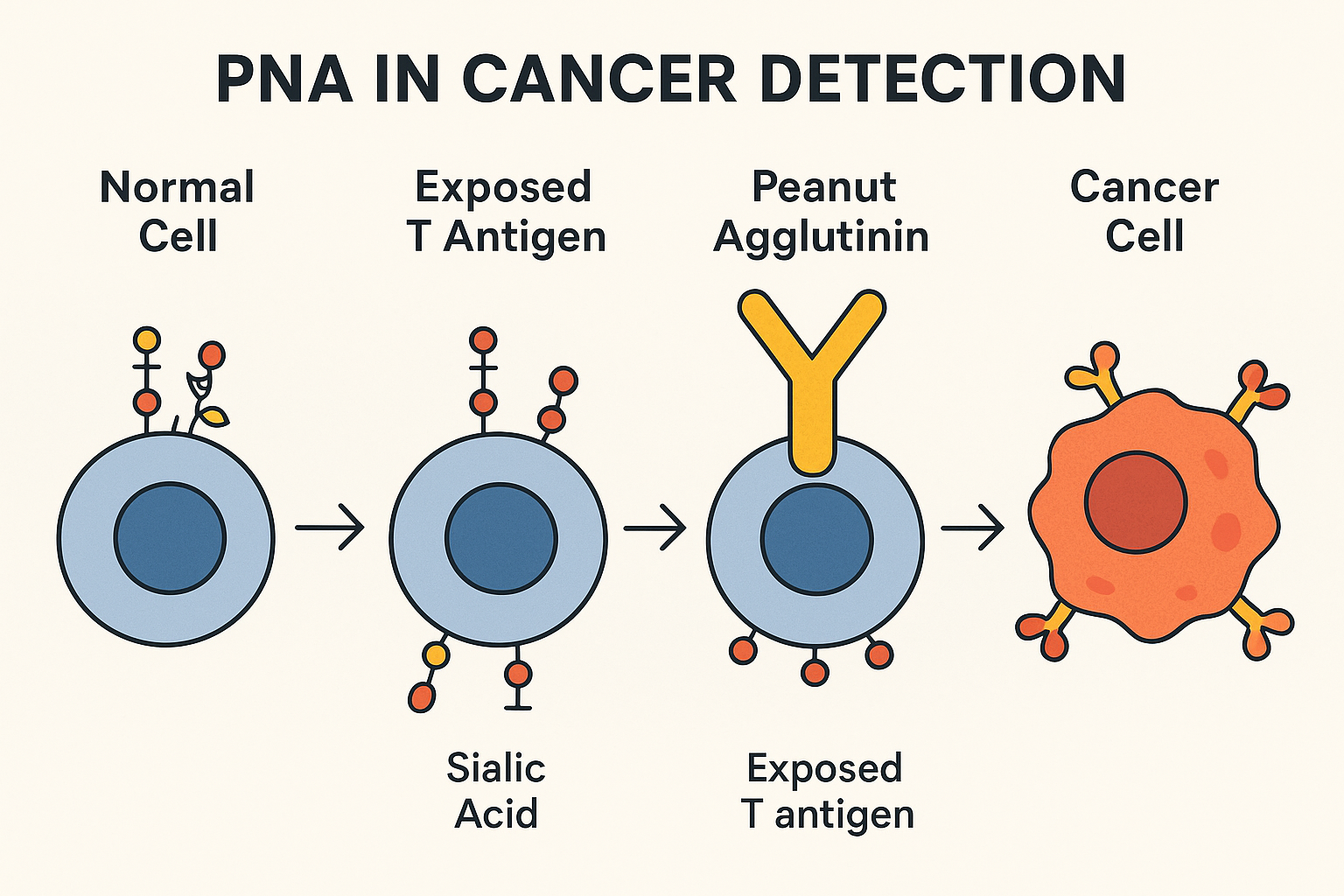
Diagnostic Potential — Detectable using lectins (e.g., PNA) and monoclonal antibodies.
-
Therapeutic Target — Under investigation for cancer vaccines and targeted immunotherapies.
Where TF Antigen Appears
TF antigen is frequently found on mucin‑type glycoproteins, especially MUC1, which is heavily expressed in many epithelial cancers. Its exposure correlates with:
-
Tumor aggressiveness
-
Metastatic potential
-
Poorer clinical outcomes
How TF Antigen Influences Tumor Biology
-
Cell Adhesion: Promotes interactions that support tumor spread.
-
Immune Evasion: Helps shield cancer cells from immune detection.
-
Migration & Metastasis: Facilitates movement through tissues and into circulation.
How TF Antigen Is Detected
Researchers and clinicians use several tools to identify TF antigen:
-
Lectins (e.g., peanut agglutinin, PNA) that bind specifically to TF
-
Monoclonal antibodies for IHC, ELISA, and flow cytometry
-
Emerging diagnostic platforms exploring TF as an early detection biomarker
TF is also being evaluated as a target for precision immunotherapies, including antibody‑based treatments and cancer vaccines.
Research Highlights
-
High Expression in Tumors: Documented across numerous cancer types.
-
Diagnostic Value: Strong candidate for early detection and monitoring.
-
Therapeutic Promise: Active research into anti‑TF antibodies and vaccine strategies.
Reference Sources
-
PubChem: Thomsen–Friedenreich Antigen
-
PubMed: Research on TF antigen in cancer
-
Wikipedia: Overview of TF antigen biology
In Summary
The Thomsen–Friedenreich antigen is one of the most consistently documented cancer‑associated carbohydrate markers. Its widespread exposure in tumors—and near absence in healthy tissues—makes it a powerful target for early detection, diagnostics, and next‑generation cancer therapies.
#ThomsenFriedenreichAntigen #TFantigen #CancerResearch #Biomarkers #Glycobiology