MUC1 (Mucin 1)
MUC1 (Mucin 1)
- Used for: Breast cancer, ovarian cancer, pancreatic cancer.
- Why it’s good: Overexpression of MUC1 is seen in many cancers, making it a broad biomarker.
- Limitation: It can be elevated in non-cancerous conditions as well.

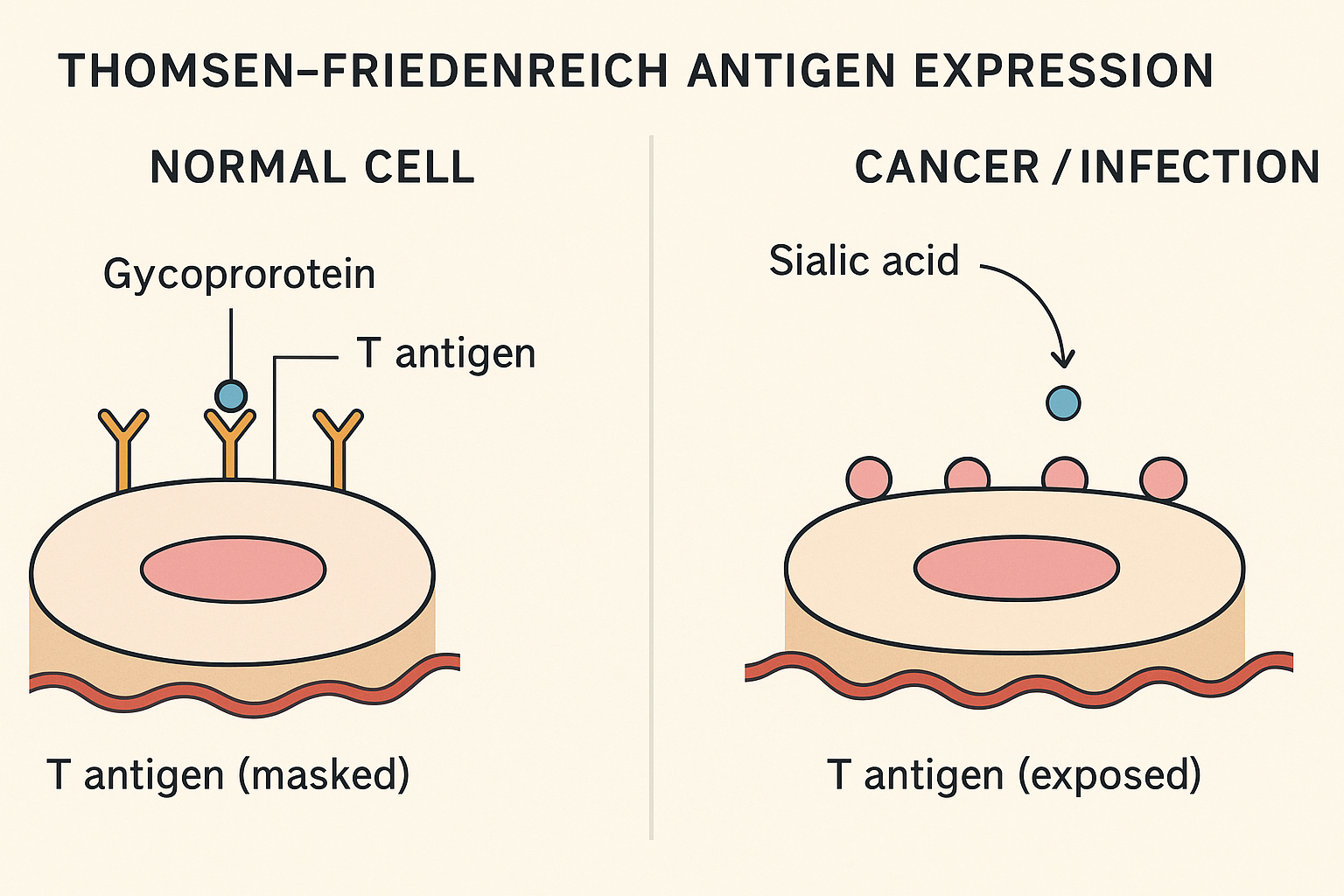
When it’s exposed, it can be detected by specific antibodies (like peanut agglutinin), and its presence is linked to disease processes. The Thomsen–Friedenreich antigen (T antigen) — sometimes called the…
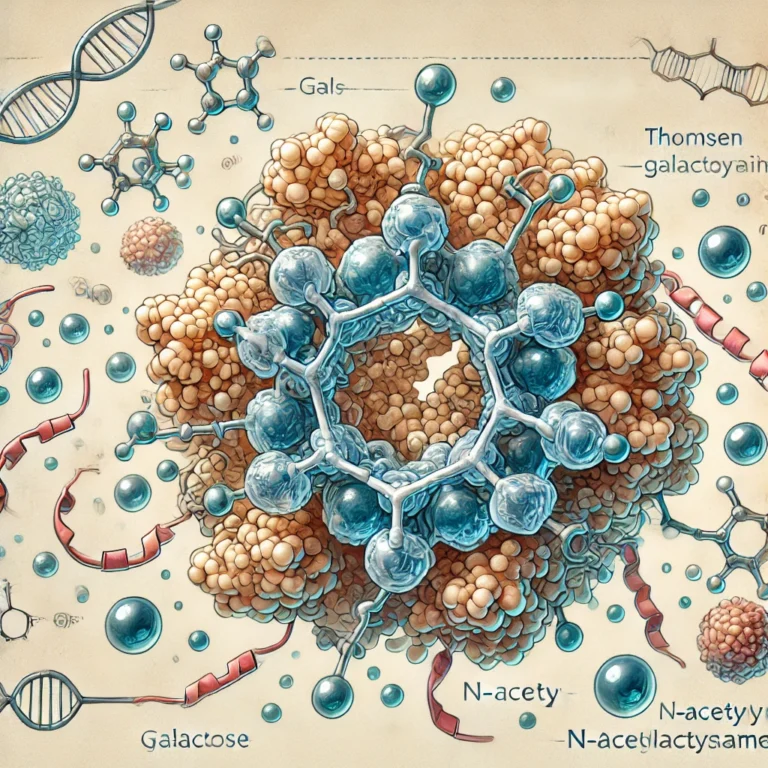
Thomsen–Friedenreich (TF) Antigen: A Key Marker in Cancer Biology The Thomsen–Friedenreich (TF) antigen, also known as CD176, is a simple two‑sugar structure (galactose + N‑acetylgalactosamine) normally hidden on healthy cells….
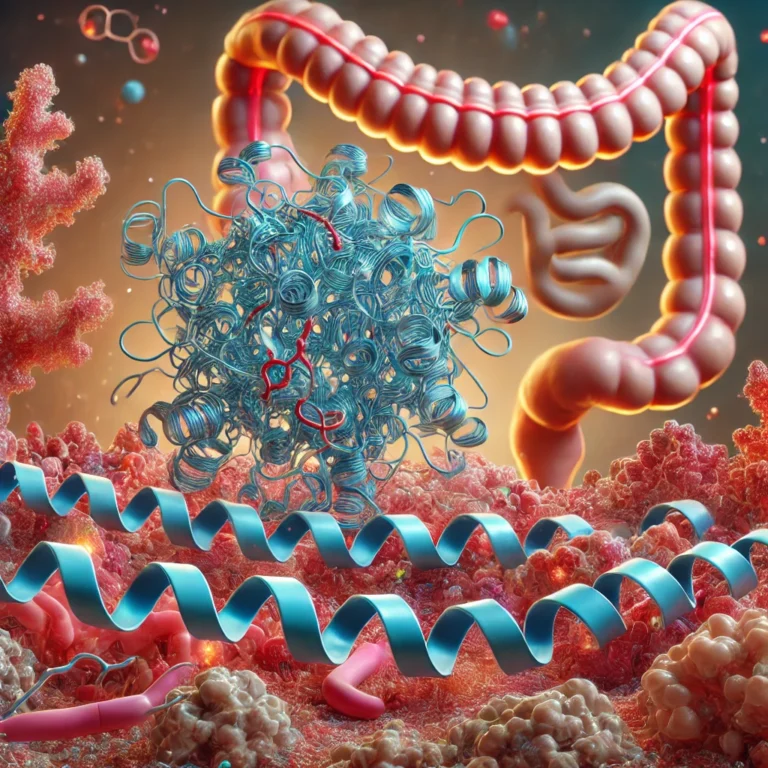
CEA is a cell adhesion molecule normally produced during fetal development. In adults, it is usually undetectable in the blood, but it may be re-expressed and elevated in certain cancers,…
Circulating Tumor DNA (ctDNA)
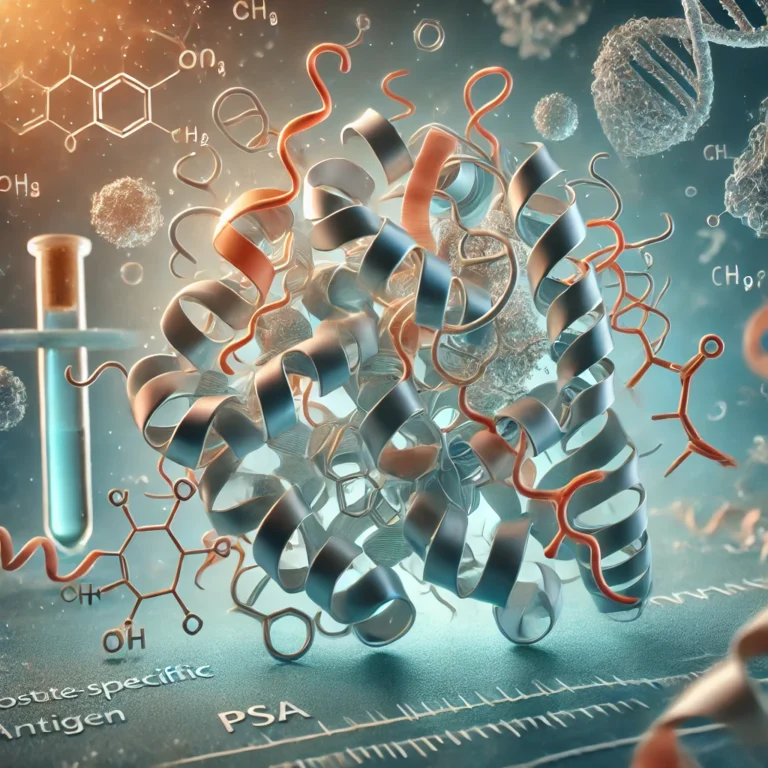
Prostate-Specific Antigen (PSA) is a widely used cancer biomarker, particularly for prostate cancer (PCa). While it has transformed prostate cancer screening and monitoring, it also has notable limitations. Here’s a…
Alpha-Fetoprotein (AFP) is a well-established cancer biomarker with diverse clinical applications, especially in liver and germ cell tumors. Here’s a detailed summary of its biological role, diagnostic value, prognostic utility,…